Welcome to the official website of AECNC PARTS Automation Technology Co., Ltd!

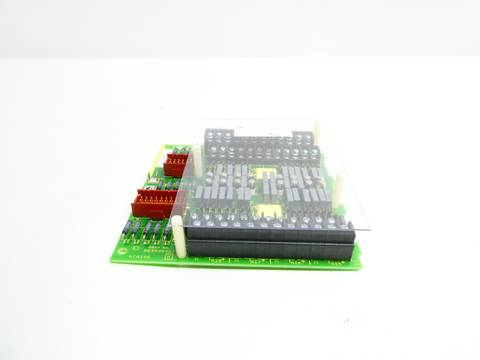
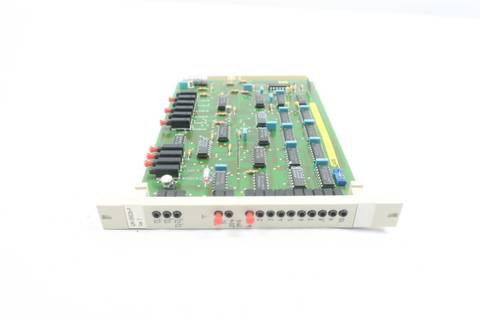
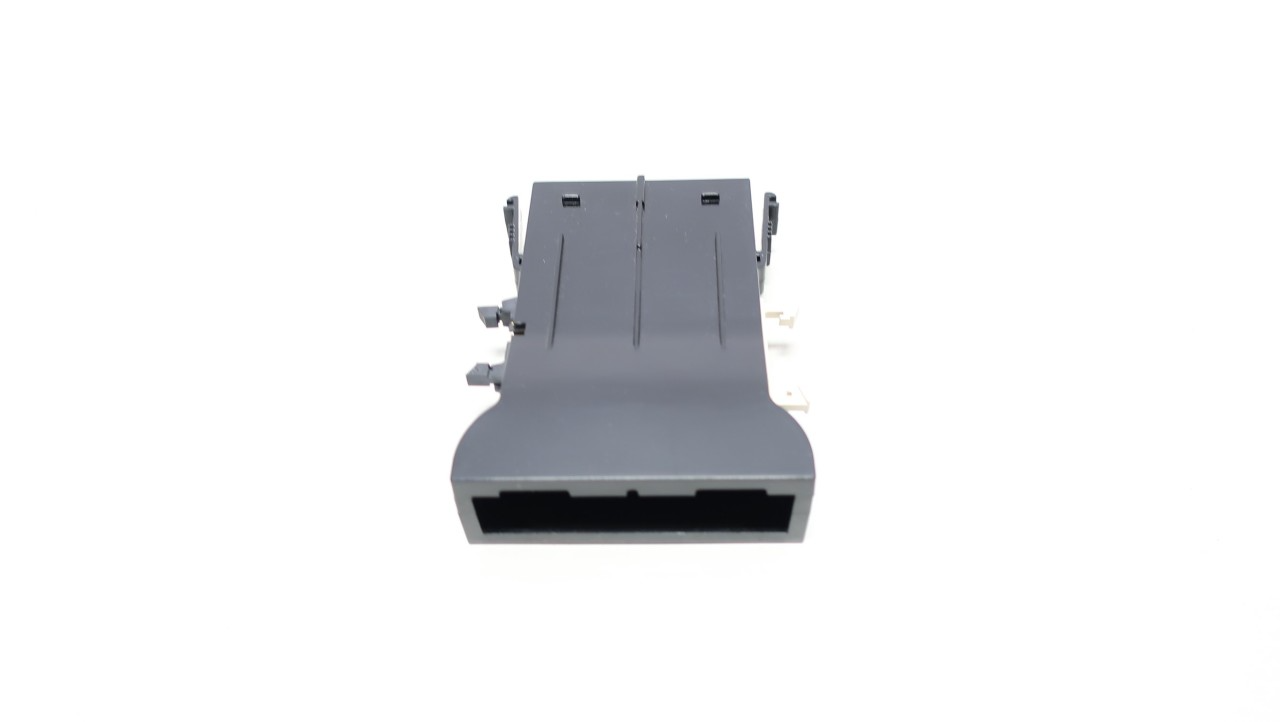
YOKOGAWA NFCP100-S00 S3



Understanding the YOKOGAWA NFCP100-S00 S3: A Key Component in Industrial Automation


Site Logo

Understanding the YOKOGAWA NFCP100-S00 S3: A Key Component in Industrial Automation

At AE Automation Auto Parts, we focus on providing top-quality automotive and industrial automation components. One such component that stands out in the field of electrical engineering is the YOKOGAWA NFCP100-S00 S3. This device is not only essential for ensuring efficient operations in industrial settings but also plays a significant role in the growing renewable energy sector.

The Importance of Electrical Engineering

Electrical engineering is a fundamental discipline that combines knowledge of electrical systems with innovative technology to create solutions for various industrial challenges. The importance of devices like the YOKOGAWA NFCP100-S00 S3 cannot be overstated, as they ensure reliable performance, safety, and efficiency in automation processes. As industries evolve, the demand for robust electrical components continues to rise, making it crucial for engineers to incorporate high-quality products into their designs.

Technical Specifications: IEC60947-2 Compliance

The YOKOGAWA NFCP100-S00 S3 adheres to international standards, particularly IEC60947-2, which governs the performance and safety of low-voltage switchgear and control gear. Here are some key specifications:

  • Rated Operational Voltage: Up to 690V
  • Rated Operational Current: 100A
  • Short Circuit Protection: Ensures safety and reliability in electrical circuits
  • Temperature Range: Operates efficiently in a variety of environmental conditions
  • Durability: Designed for a long service life with minimal maintenance

Meeting IEC60947-2 standards guarantees that the NFCP100-S00 S3 provides both performance and safety, which are critical in industrial applications.

Applications in Industrial Automation

The YOKOGAWA NFCP100-S00 S3 is widely used in various industrial automation applications. Its versatility makes it suitable for:

  • Process Control: Essential in manufacturing plants to ensure smooth operational flow.
  • Machine Automation: Integrates seamlessly with other automation components to enhance productivity.
  • Energy Management Systems: Plays a vital role in monitoring and managing energy consumption.

By using the NFCP100-S00 S3, industries can improve their overall efficiency and reduce downtime, leading to increased profitability.

Renewable Energy Applications

As the world shifts towards sustainable energy solutions, the YOKOGAWA NFCP100-S00 S3 has found its place in various renewable energy applications. It is particularly useful in:

  • Solar Power Systems: Helps in managing power distribution and ensuring safe operation.
  • Wind Energy Systems: Provides reliable control and monitoring for wind turbines.
  • Energy Storage Solutions: Vital for balancing energy supply and demand in battery storage systems.

With the increasing emphasis on green technologies, components like the NFCP100-S00 S3 are becoming essential in the design and implementation of renewable energy systems.

Conclusion

The YOKOGAWA NFCP100-S00 S3 is more than just a component; it is a critical part of the industrial automation and renewable energy landscape. By adhering to the high standards set by IEC60947-2, it ensures safety, reliability, and efficiency in various applications. At AE Automation Auto Parts, we are committed to providing components that help drive innovation in automation and energy management. To learn more about our offerings, visit us at fanucautoparts.com.

For further insights into electrical engineering standards and practices, check out the International Electrotechnical Commission (IEC).

GE IC200MDL940J


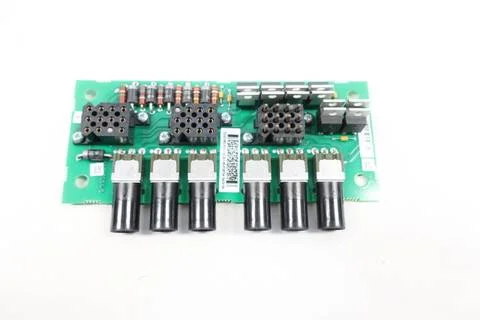
GE IC200MDL940J: A Key Component in Industrial Automation


Site Logo

GE IC200MDL940J: A Key Component in Industrial Automation

At AE Automation Auto Parts, our focus is on providing top-quality automotive and industrial automation components that drive efficiency and innovation. One such essential component is the GE IC200MDL940J, a versatile input/output module that plays a crucial role in modern industrial automation systems.

The Importance of Electrical Engineering in Automation

Electrical engineering is foundational to the development and operation of industrial automation systems. It involves the design, analysis, and application of electrical systems that govern the functioning of machinery and processes in various industries. The integration of robust electrical components ensures the reliability and efficiency of operations, thereby reducing downtime and maintenance costs.

Technical Specifications of GE IC200MDL940J

The GE IC200MDL940J is designed to meet and exceed the requirements set by IEC 60947-2, which pertains to low-voltage switchgear and controlgear. Some of its notable specifications include:

  • Input Voltage Rating: 10 to 30 V DC
  • Output Voltage Rating: 24 V DC
  • Current Rating: 10 A
  • Number of Inputs: 16
  • Number of Outputs: 16
  • Communication Protocol: Modbus
  • Environmental Conditions: Operating temperature range of -20°C to +60°C

These specifications make the GE IC200MDL940J an ideal choice for various applications, especially in environments that demand high reliability and performance.

Applications in Industrial Automation

The GE IC200MDL940J is widely used in industrial automation for its ability to interface with different types of sensors and actuators. Some common applications include:

  • Manufacturing Systems: It is often used in assembly lines, robotics, and material handling systems to control and monitor various processes.
  • Process Control: This module assists in the automation of chemical, food, and pharmaceutical processes, ensuring precise control and monitoring.
  • Facility Management: It can be utilized in building automation systems for heating, ventilation, air conditioning (HVAC), and lighting control.

Renewable Energy Applications

As industries move towards sustainable practices, the GE IC200MDL940J is also finding applications in renewable energy systems. Its reliability and efficiency make it suitable for:

  • Solar Energy Systems: The module can control solar inverters and manage energy distribution, optimizing performance.
  • Wind Turbines: It can be used in monitoring and controlling the operations of wind turbines, enhancing energy capture and efficiency.

Conclusion

In conclusion, the GE IC200MDL940J is a vital component that enhances the functionality and reliability of industrial automation systems. Its adherence to standards such as IEC 60947-2 ensures that it meets the rigorous demands of modern applications. As we continue to innovate, components like the IC200MDL940J will play a significant role in shaping the future of automation and renewable energy.

For more information about our products, visit our website at Fanuc Auto Parts.


GE IC200MDL632C


Understanding the GE IC200MDL632C in Industrial Automation


Site Logo

Understanding the GE IC200MDL632C in Industrial Automation

Introduction

Welcome to AE Automation Auto Parts! We specialize in automotive and industrial automation components that enhance efficiency and reliability in various applications. One of the key components in industrial automation is the GE IC200MDL632C, a versatile device that plays a crucial role in enhancing electrical engineering applications.

The Importance of Electrical Engineering in Industrial Automation

Electrical engineering is the backbone of industrial automation, enabling the design and implementation of systems that control machinery and processes. The GE IC200MDL632C serves as a prime example of how electrical engineering principles are applied in real-world scenarios. This device allows for effective monitoring and control, ultimately leading to improved productivity and safety in industrial settings.

Technical Specifications of the GE IC200MDL632C

The GE IC200MDL632C is compliant with the IEC60947-2 standard, a vital regulation that outlines the performance requirements for low-voltage switchgear and control gear. Understanding these specifications is crucial for engineers looking to integrate the IC200MDL632C into their systems.

  • Type: Digital Output Module
  • Input Voltage Range: 24V DC
  • Output Configuration: 32 outputs
  • Output Type: Sinking
  • Max Current per Output: 0.5A
  • Isolation: Optical isolation between input and output
  • Operating Temperature: -20°C to 60°C
  • Compliance: IEC60947-2

These technical specifications ensure that the GE IC200MDL632C operates effectively in various conditions while maintaining safety and reliability. The optical isolation feature is particularly important as it protects the control system from electrical disturbances.

Applications in Industrial Automation and Renewable Energy

The GE IC200MDL632C is widely used in a variety of industrial automation applications. Its ability to control multiple outputs makes it ideal for tasks such as:

  • Machine automation
  • Process control in manufacturing
  • Robotics and conveyor systems
  • System monitoring and diagnostics

In the renewable energy sector, this module is instrumental in controlling and monitoring energy systems, such as:

  • Solar panel tracking systems
  • Wind turbine operations
  • Energy storage management systems

By integrating the GE IC200MDL632C into these systems, engineers can ensure efficient operation and effective energy management, which are critical for both industrial and renewable energy applications.

Conclusion

The GE IC200MDL632C is a vital component in the realm of industrial automation, showcasing the importance of electrical engineering in modern applications. Understanding its technical specifications and potential uses can significantly enhance operational efficiency and safety across various industries.

For more in-depth information on automation components, visit Fanuc Auto Parts. Additionally, you can learn more about electrical engineering standards from IEC.


LAM 685-069171-100


The Importance of LAM 685-069171-100 in Industrial Automation


Site Logo

Understanding LAM 685-069171-100: A Vital Component in Industrial Automation

At AE Automation Auto Parts, we focus on providing top-notch automotive and industrial automation components. One such essential component is the LAM 685-069171-100, which plays a crucial role in various industrial applications. This blog post delves into its significance in electrical engineering, technical specifications as per IEC 60947-2, and its diverse applications in industrial automation and renewable energy.

The Importance of LAM 685-069171-100 in Electrical Engineering

The LAM 685-069171-100 is a vital component designed to enhance the safety and efficiency of electrical systems. In electrical engineering, ensuring compliance with industry standards is paramount. This component not only complies with the IEC 60947-2, which governs low-voltage switchgear and control gear, but also embodies the principles of reliability, safety, and efficiency.

Electrical engineers rely on components like the LAM 685-069171-100 to ensure that systems operate smoothly and safely under varying conditions. Its design is optimized to prevent electrical faults, ensuring the longevity of both the component and the entire electrical system. This is particularly critical in industrial settings where downtime can lead to significant financial losses.

Technical Specifications

The LAM 685-069171-100 adheres to the rigorous standards set forth in the IEC 60947-2 specification. Here are some key technical specifications of the LAM 685-069171-100:

  • Voltage Rating: 400V AC
  • Current Rating: 63A
  • Frequency: 50/60 Hz
  • Insulation Resistance: ≥ 2 MΩ
  • Protection Class: IP65
  • Operating Temperature: -25°C to +60°C

These specifications ensure that the LAM 685-069171-100 can operate effectively in a variety of environments, making it suitable for both industrial automation systems and renewable energy applications.

Applications in Industrial Automation and Renewable Energy

The versatility of the LAM 685-069171-100 makes it suitable for a wide array of applications in the realm of industrial automation and renewable energy. In industrial automation, this component is often used in:

  • Motor Control Centers: To manage and control electric motors effectively, enhancing performance and energy efficiency.
  • Automated Machinery: Providing reliable electrical connections that facilitate seamless operation of machinery.
  • Process Control Systems: Ensuring that processes are controlled accurately and safely.

In renewable energy, the LAM 685-069171-100 plays a pivotal role in:

  • Solar Power Systems: Ensuring safe and efficient operation of solar inverters.
  • Wind Energy Applications: Providing the necessary electrical connections for wind turbines to function optimally.

The integration of the LAM 685-069171-100 in these applications not only boosts efficiency but also enhances the overall safety of electrical systems, making it invaluable in today’s industrial landscape.

Conclusion

The LAM 685-069171-100 is more than just a component; it is a cornerstone in the fields of electrical engineering and industrial automation. Its compliance with IEC 60947-2 standards, along with its robust technical specifications, makes it an essential part of various applications. At AE Automation Auto Parts, we recognize the importance of such components in driving innovation and efficiency in both industrial and renewable energy sectors. For more information on our products and how they can enhance your automation systems, visit fanucautoparts.com.


MESTO D201736


MESTO D201736: Revolutionizing Industrial Automation and Renewable Energy


Site Logo

MESTO D201736: A Key Component in Industrial Automation and Renewable Energy

Welcome to AE Automation Auto Parts, your trusted source for automotive and industrial automation components. Today, we delve into the significance of the MESTO D201736 in electrical engineering and its role in modern industrial automation and renewable energy applications.

The Importance of Electrical Engineering in Automation

Electrical engineering is a cornerstone of industrial automation, enabling efficient processes, enhanced productivity, and sustainable energy management. As industries evolve, the demand for reliable and sophisticated electrical components has increased. The MESTO D201736 exemplifies the technological advancements that support these demands, offering unparalleled performance and reliability.

Technical Specifications of MESTO D201736

The MESTO D201736 is designed to comply with the international standard IEC60947-2, which governs low-voltage switchgear and controlgear. Here are some of its key technical specifications:

  • Voltage Rating: Up to 690V AC and 1000V DC
  • Current Rating: Available in various ratings to suit diverse applications
  • Insulation Class: Class F, ensuring excellent thermal resistance
  • Protection Rating: IP65, offering robust protection against dust and water
  • Operating Temperature: -25°C to +55°C, making it suitable for harsh environments
  • Mounting Options: Versatile mounting options for ease of installation

These specifications make the MESTO D201736 an ideal choice for a variety of industrial applications, especially where safety and reliability are paramount.

Applications in Industrial Automation

The versatility of the MESTO D201736 allows it to be effectively utilized across several sectors within industrial automation. Its robust design and compliance with IEC60947-2 standards make it suitable for:

  • Manufacturing Processes: Used in control panels to manage machinery and conveyor systems efficiently.
  • Robotic Systems: Integral in powering and controlling robotic arms and automated assembly lines.
  • Energy Management Systems: Plays a crucial role in optimizing energy consumption and enhancing system reliability.
  • Safety Systems: Functions as a vital component in safety circuits, ensuring operational security.

Renewable Energy Applications

In the growing field of renewable energy, the MESTO D201736 is increasingly being adopted for its reliability and efficiency. Its specifications make it an excellent choice for:

  • Solar Power Systems: Used in inverters and control systems to optimize energy conversion and management.
  • Wind Energy Systems: Integral for managing power distribution and ensuring system stability.
  • Energy Storage Solutions: Employed in battery management systems to enhance performance and lifespan.

As industries seek to transition to sustainable energy sources, components like the MESTO D201736 will continue to play a pivotal role in ensuring efficiency and reliability.

Conclusion

The MESTO D201736 is more than just an electrical component; it’s a vital part of the future of industrial automation and renewable energy. By adhering to IEC60947-2 standards, it represents the quality and reliability that industries demand. At AE Automation Auto Parts, we believe in providing high-quality components that enhance automation processes and support sustainable energy solutions.

For more information on the MESTO D201736 and other automation components, visit our website at fanucautoparts.com. Additionally, for insights into electrical engineering standards, you can visit the International Electrotechnical Commission.


Bender WR150X350S B911740


Bender WR150X350S B911740: A Vital Component in Industrial Automation and Renewable Energy


Site Logo

Bender WR150X350S B911740: A Vital Component in Industrial Automation and Renewable Energy

Welcome to the AE Automation Auto Parts blog! Here, we focus on automotive and industrial automation components, helping you understand the intricate parts that drive efficiency in various industries. Today, we delve into the significance of the Bender WR150X350S B911740, a pivotal element in electrical engineering, particularly within the realms of industrial automation and renewable energy.

Understanding the Importance of Electrical Engineering

Electrical engineering is a cornerstone of modern technology, playing a crucial role in the development and application of electrical systems. This discipline not only facilitates the design and installation of electrical equipment but also ensures safety and compliance with global standards. The Bender WR150X350S B911740 exemplifies this significance, providing essential functionalities that are vital for operational efficiency and safety in industrial applications.

Technical Specifications: IEC60947-2 Compliance

The Bender WR150X350S B911740 conforms to the IEC60947-2 standard, which sets the framework for low-voltage switchgear and controlgear. This standard ensures that the components meet rigorous safety and performance criteria, highlighting the following key specifications:

  • Rated Operating Voltage: 150V to 350V
  • Rated Current: 25A
  • Insulation Resistance: Greater than 100MΩ
  • Operating Temperature Range: -25°C to +60°C
  • Protection Class: IP20

These specifications not only ensure the reliability and durability of the Bender WR150X350S but also make it suitable for various demanding industrial environments.

Applications in Industrial Automation

The applications of the Bender WR150X350S B911740 in industrial automation are extensive. This robust component is commonly used in:

  • Machine Control Systems: Enhancing operational functionality through effective monitoring and control.
  • Robotics: Ensuring precise control over robotic systems for automation tasks.
  • Process Automation: Streamlining manufacturing processes by integrating electrical systems with automated controls.
  • Power Distribution: Managing and distributing electrical power efficiently across various industrial setups.

By incorporating the Bender WR150X350S into these applications, industries can achieve higher efficiency, reduced downtime, and enhanced safety, thereby driving productivity.

Renewable Energy Integration

In the context of renewable energy, the Bender WR150X350S B911740 plays a vital role in the management of energy resources. It is instrumental in:

  • Solar Power Systems: Monitoring and controlling solar inverters, ensuring optimal performance.
  • Wind Energy Applications: Providing reliable electrical solutions for wind turbine systems.
  • Energy Storage Systems: Facilitating the safe and efficient operation of battery storage solutions.

The integration of this component not only enhances the efficiency of renewable energy systems but also contributes to sustainability efforts across various sectors.

Conclusion

The Bender WR150X350S B911740 is more than just a component; it is a vital asset in the landscape of industrial automation and renewable energy. By adhering to the IEC60947-2 standards, it ensures safety, reliability, and efficiency in various applications. At AE Automation Auto Parts, we are committed to providing you with the best components to enhance your automation systems.

For more information about electrical engineering standards and applications, visit the International Electrotechnical Commission. Explore our full range of automation components at fanucautoparts.com.


ZYGO 4104C


Understanding the ZYGO 4104C: A Key Component in Industrial Automation


Site Logo

Understanding the ZYGO 4104C: A Key Component in Industrial Automation

Welcome to AE Automation Auto Parts, where we specialize in providing high-quality automotive and industrial automation components. In today’s blog post, we’ll delve into the significance of the ZYGO 4104C, an essential device in the realm of electrical engineering and industrial automation.

Importance of Electrical Engineering

Electrical engineering plays a pivotal role in the functioning of modern industrial systems. It encompasses the design and application of devices and systems that utilize electricity. The ZYGO 4104C is a testament to this discipline, serving as a crucial component in various automation processes. Its integration into systems enhances efficiency, reliability, and precision, which are critical in today’s fast-paced industrial environments.

Technical Specifications of the ZYGO 4104C (IEC60947-2)

The ZYGO 4104C adheres to the international standard IEC60947-2, which governs low-voltage switchgear and control gear. Here are some key technical specifications:

  • Rated Voltage: 400V AC
  • Rated Current: 63A to 125A
  • Pollution Degree: 3
  • Insulation Resistance: ≥ 100 MΩ at 500 V DC
  • Temperature Range: -25°C to +60°C
  • Protection Class: IP65
  • Short-Circuit Protection: Integrated overcurrent protection

These specifications highlight the ZYGO 4104C’s capability to withstand challenging operational environments, making it ideal for various applications in industrial automation.

Applications in Industrial Automation

The ZYGO 4104C is widely utilized in several applications within industrial automation:

  • Motor Control: Used for controlling electric motors in manufacturing systems.
  • Process Automation: Essential for automating processes in chemical and food production industries.
  • Power Distribution: Facilitates effective distribution of electrical power in industrial setups.
  • Robotics: Integral in robotic systems that require precise electrical control.

These applications demonstrate how the ZYGO 4104C enhances operational efficiency, safety, and reliability across various industrial sectors.

Renewable Energy Applications

In the context of renewable energy, the ZYGO 4104C also finds significant applications:

  • Solar Power Systems: Used in inverters and power management systems to optimize energy output.
  • Wind Energy: Integral to the control systems in wind turbines, ensuring efficient energy conversion.
  • Energy Storage Systems: Plays a role in managing energy flow in battery storage solutions.

As the world shifts towards sustainable energy solutions, components like the ZYGO 4104C are crucial in optimizing performance and reliability in renewable energy systems.

Conclusion

The ZYGO 4104C is more than just a component; it is a vital part of the electrical engineering landscape that supports the advancement of industrial automation and renewable energy. By adhering to international standards like IEC60947-2, it ensures safety and performance, making it indispensable for modern industries.

For more information on the ZYGO 4104C and other essential components for your automation needs, visit AE Automation Auto Parts or check out the International Electrotechnical Commission for more on industry standards.


PROSOFT PLX82-MBTCP-PNC


PROSOFT PLX82-MBTCP-PNC: A Vital Component in Industrial Automation and Renewable Energy


Site Logo

Welcome to AE Automation Auto Parts

Your trusted source for automotive and industrial automation components.

Understanding the PROSOFT PLX82-MBTCP-PNC and its Role in Electrical Engineering

The PROSOFT PLX82-MBTCP-PNC is a critical component in the realm of industrial automation and renewable energy systems. As the industry continually evolves, the importance of integrating smart technologies into traditional processes cannot be overstated. This device facilitates seamless communication between various equipment and systems, serving as a bridge that enhances operational efficiency and reliability.

Technical Specifications: Compliance with IEC60947-2

When it comes to electrical engineering, adherence to standards is paramount. The PROSOFT PLX82-MBTCP-PNC complies with the IEC60947-2 standard, which sets forth the requirements for low-voltage switchgear and control gear. This compliance ensures the device is safe, reliable, and suitable for various industrial applications. Key specifications include:

  • Voltage Rating: The device is designed to operate at various voltage levels, ensuring compatibility with different systems.
  • Temperature Range: It can function effectively in challenging environmental conditions, with a specified range that allows for operation in extreme temperatures.
  • Communication Protocols: The PLX82-MBTCP-PNC supports multiple communication protocols, making it versatile in connecting with different industrial devices.
  • Durability: Built to withstand the rigors of industrial applications, its robust design ensures longevity and lower maintenance costs.

Applications in Industrial Automation

The applications of the PROSOFT PLX82-MBTCP-PNC are vast, particularly in industrial automation. Its ability to facilitate communication between Programmable Logic Controllers (PLCs), Human-Machine Interfaces (HMIs), and various sensors makes it an invaluable asset. Industries such as manufacturing, food processing, and automotive heavily rely on this technology to ensure smooth operations.

Moreover, in the context of renewable energy, the device plays a crucial role in integrating solar panels, wind turbines, and energy storage systems into a cohesive network. This connectivity enhances monitoring and control, allowing for optimal energy management and utilization.

Conclusion

In conclusion, the PROSOFT PLX82-MBTCP-PNC stands out as a pivotal element in the fabric of modern industrial automation and renewable energy solutions. Its compliance with IEC60947-2 ensures that it meets rigorous safety and performance standards, making it a reliable choice for engineers and manufacturers alike. As industries continue to embrace automation technologies, the significance of versatile components like the PLX82-MBTCP-PNC will only grow.

For more insights into industrial automation components, visit our AE Automation Auto Parts website, where we provide a range of products designed to enhance your operational efficiency.

Additionally, for further information on industry standards, refer to the International Electrotechnical Commission (IEC).
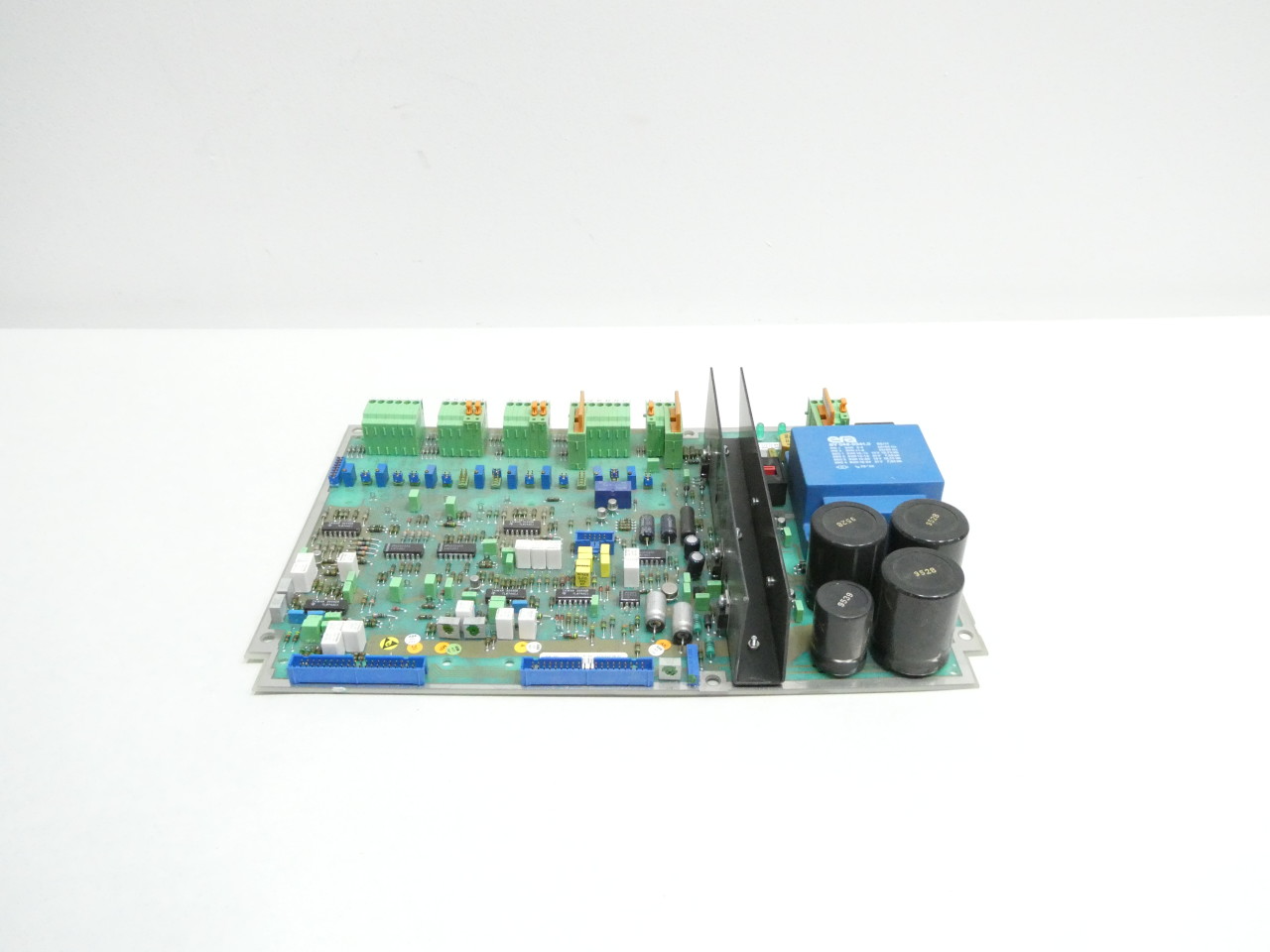

AXIS M4318-PLVE


AXIS M4318-PLVE: The Future of Industrial Automation


Site Logo

AXIS M4318-PLVE: The Future of Industrial Automation

At AE Automation Auto Parts, we focus on automotive and industrial automation components that drive efficiency and innovation. One of the standout products in our lineup is the AXIS M4318-PLVE, a cutting-edge device that is transforming how industries approach automation and renewable energy applications.

The Importance of Electrical Engineering

Electrical engineering plays a pivotal role in the development and application of automation technologies. With the rise of smart factories and interconnected devices, a solid understanding of electrical systems is essential for engineers and technicians alike. The AXIS M4318-PLVE exemplifies this principle, combining advanced electrical engineering concepts to enhance operational efficiency and reliability.

Technical Specifications and IEC60947-2 Compliance

The AXIS M4318-PLVE complies with the IEC60947-2 standards, which set the framework for the safety and performance of low-voltage switchgear and control gear. This compliance ensures that the device meets rigorous safety standards while delivering optimal performance in demanding industrial environments. Here are some key specifications:

  • Voltage Rating: 230V AC
  • Current Rating: 16A
  • Frequency: 50/60 Hz
  • Operating Temperature: -10°C to +50°C
  • Protection Class: IP66 (Dust-tight and protected against powerful water jets)
  • Communication Protocol: Ethernet, supporting PoE (Power over Ethernet)

These specifications ensure that the AXIS M4318-PLVE can withstand the rigors of industrial automation applications, providing reliable service even in challenging conditions.

Applications in Industrial Automation

The AXIS M4318-PLVE is not just a component; it’s a critical part of many industrial automation systems. Its applications include:

  • Smart Manufacturing: Integration into IoT platforms allows for real-time monitoring and control of manufacturing processes.
  • Remote Surveillance: The device can be utilized in remote monitoring systems for safety and operational efficiency.
  • Data Acquisition: It supports data collection from various sensors, aiding in process optimization.

By incorporating the AXIS M4318-PLVE into industrial systems, companies can achieve enhanced automation, greater productivity, and improved safety standards.

Renewable Energy Applications

The renewable energy sector is another area where the AXIS M4318-PLVE shines. Its robust design and compliance with IEC60947-2 make it ideal for:

  • Solar Power Systems: Monitoring and managing solar panel outputs and performance.
  • Wind Energy Applications: Integration into wind turbine control systems for efficient energy production.
  • Energy Management Systems: Assisting in the optimization of energy consumption and distribution.

As industries move towards sustainability, the AXIS M4318-PLVE stands as a reliable solution for optimizing renewable energy resources.

Conclusion

The AXIS M4318-PLVE is more than just a device; it is a gateway to the future of industrial automation and renewable energy. With its adherence to IEC60947-2 standards, robust technical specifications, and diverse applications, it is an essential component for industries aiming to enhance their efficiency and sustainability.

For more information on industrial automation components, visit AE Automation Auto Parts. To learn more about electrical engineering standards, you can also check out IEC’s Official Website.


DEIF PPU-3


DEIF PPU-3: Revolutionizing Industrial Automation


Site Logo

DEIF PPU-3: Revolutionizing Industrial Automation

Introduction

At AE Automation Auto Parts, we are dedicated to providing high-quality automotive and industrial automation components. One such pivotal component that plays a crucial role in enhancing operational efficiency and safety in various sectors is the DEIF PPU-3. This advanced power management unit is integral to electrical engineering, especially in industrial automation and renewable energy applications.

Importance in Electrical Engineering

The DEIF PPU-3 is designed to manage and monitor electrical power systems effectively. With the rise of industrial automation and the increasing reliance on renewable energy sources, the need for robust power management solutions has never been greater. The PPU-3 helps reduce energy waste, optimize performance, and ensure the reliability of power systems by providing real-time data and analytics, which are essential for informed decision-making.

In electrical engineering, understanding the nuances of power management is vital. The DEIF PPU-3 adheres to the IEC60947-2 standards, which govern low-voltage switchgear and control gear. Compliance with these specifications ensures that the device operates safely and efficiently, minimizing the risks associated with power systems.

Technical Specifications (IEC60947-2)

The DEIF PPU-3 is engineered with cutting-edge technology to meet the demanding requirements of modern industrial applications. Here are some of its key technical specifications:

  • Voltage Range: Suitable for a wide voltage range to accommodate various industrial applications.
  • Current Ratings: Designed to handle different current ratings, ensuring compatibility with diverse systems.
  • Protection Features: Integrated protection mechanisms that conform to IEC60947-2 standards for enhanced safety and reliability.
  • Communication Interfaces: Supports multiple communication protocols, allowing seamless integration with existing systems.
  • Monitoring Capabilities: Equipped with advanced monitoring features that provide real-time data and insights for better management of power systems.

These specifications make the DEIF PPU-3 a versatile component, suitable for various applications within the industrial automation landscape.

Applications in Industrial Automation and Renewable Energy

The applications of the DEIF PPU-3 extend across multiple sectors, including:

  • Industrial Automation: In manufacturing facilities, the PPU-3 can manage power distribution, ensuring that machines operate efficiently, thereby enhancing productivity and reducing downtime.
  • Renewable Energy: The PPU-3 plays a vital role in solar and wind energy systems by managing the integration of renewable sources into the power grid, balancing supply and demand effectively.
  • Data Centers: In data centers, where power reliability is paramount, the DEIF PPU-3 ensures that critical systems remain operational through effective power management.
  • Marine Applications: The unit is also utilized in marine environments, managing power systems onboard ships and offshore platforms.

With the ongoing transition towards smarter, more sustainable energy solutions, the DEIF PPU-3 stands out as a vital component in enabling efficient power management across diverse applications.

Conclusion

In conclusion, the DEIF PPU-3 is an essential power management unit that significantly contributes to the fields of electrical engineering, industrial automation, and renewable energy. Its compliance with IEC60947-2 standards ensures safety and efficiency, while its versatile applications highlight its importance in modern industrial practices.

For more information on components that enhance automation, feel free to visit our website or check out resources from the International Electrotechnical Commission.


Search for products

Back to Top
Product has been added to your cart